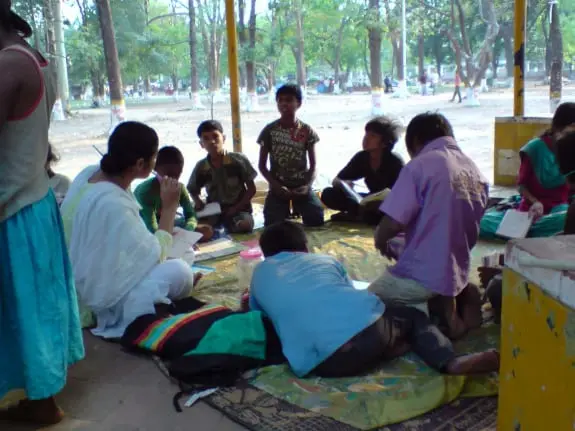
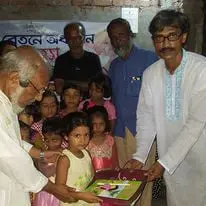
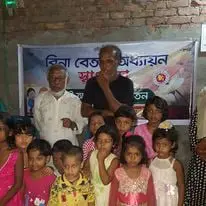
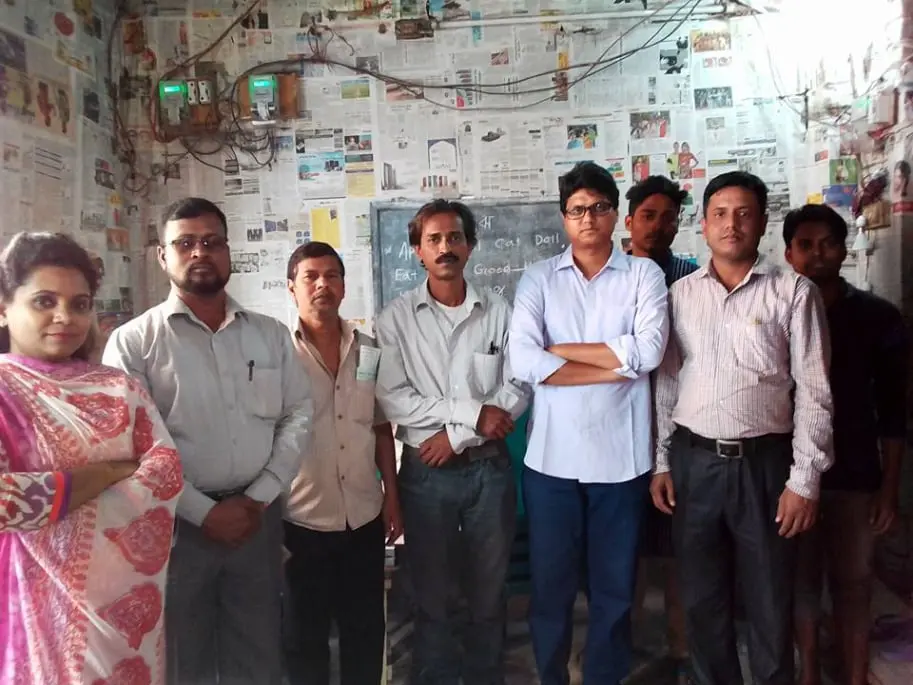
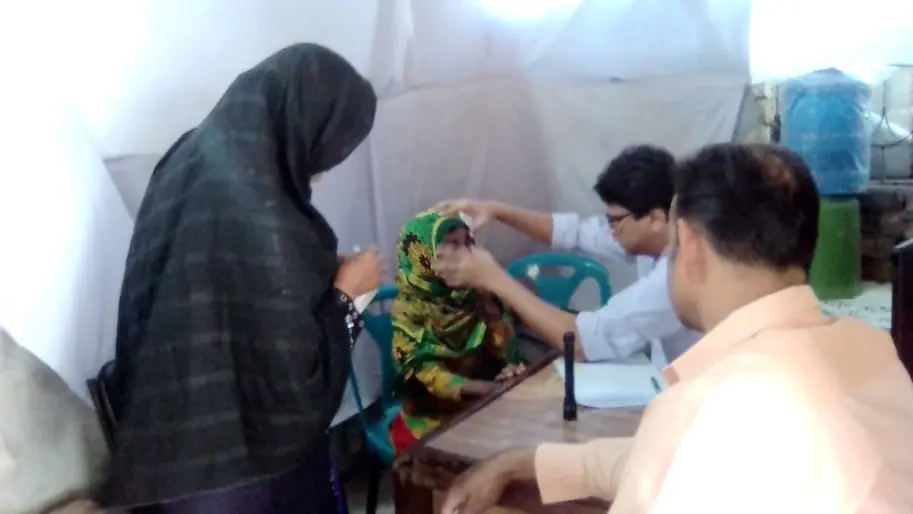
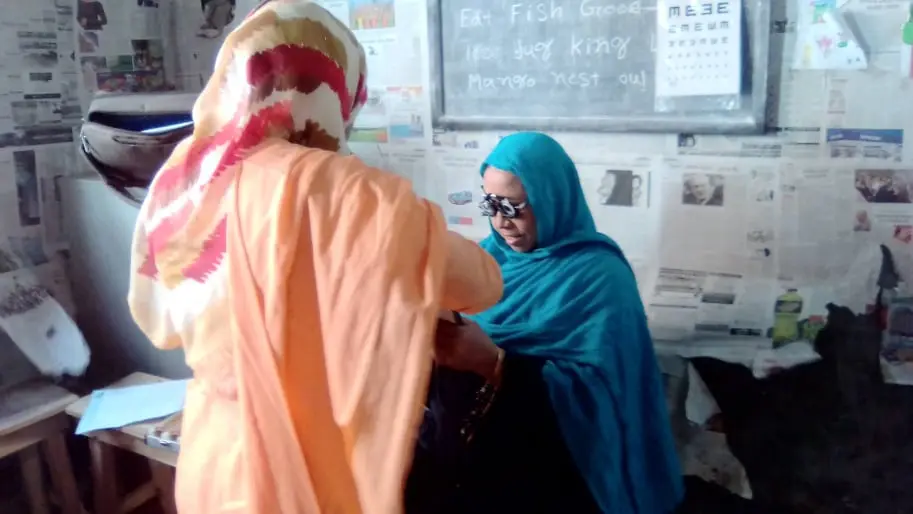
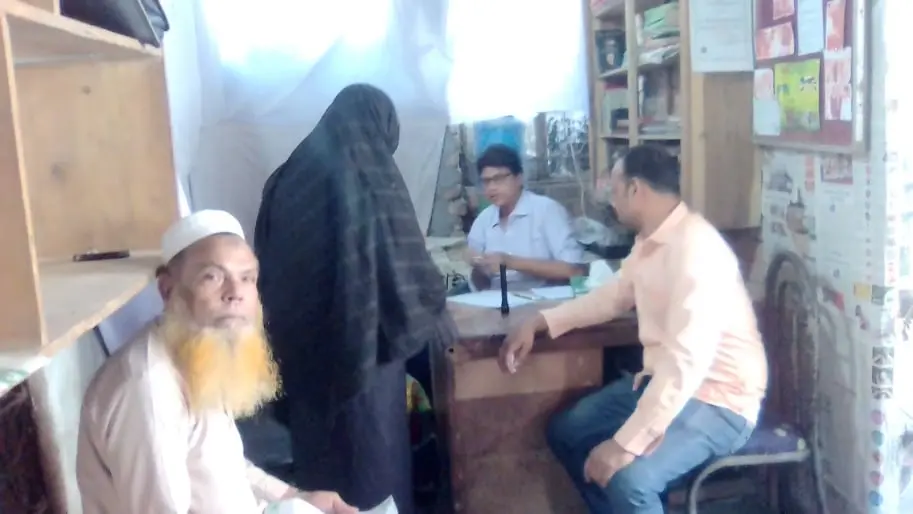
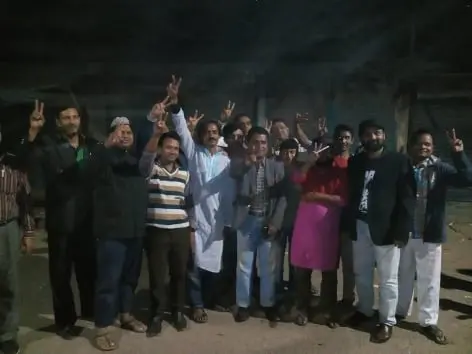
Old age schooling program
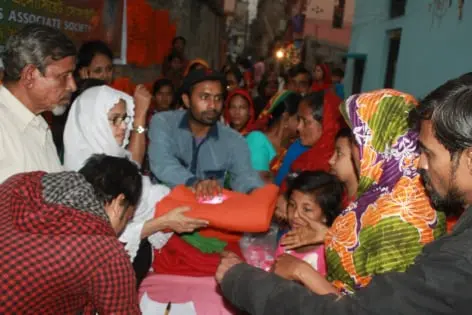
The WEUS Associate Society is a renowned social organization established in 2016. It is dedicated to carrying out various social responsibilities and initiatives to make a positive impact on society. The society aims to create equal educational opportunities for underprivileged children and senior citizens. Through their diverse range of programs, they strive to empower individuals, foster community development, and contribute to the betterment of society. These programs encompass various aspects such as education, healthcare, culture, sports, humanitarian support, climate change awareness, and biodiversity restoration. The society operates dedicated learning centers in economically disadvantaged communities for their Pre-Education Program for Underprivileged Children, breaking the barriers of poverty and providing access to quality education. They also offer the Night Schooling for Old Age program, providing learning opportunities and support for senior citizens to continue their educational journey, promoting lifelong learning, social engagement, and personal growth.
Education Initiative Profile: Night Schooling for Old Age
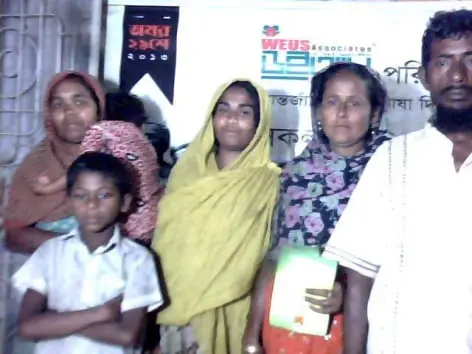
The Night Schooling for Old Age program, initiated by the WEUS Associate Society, is a unique educational initiative designed to provide learning opportunities and support for senior citizens who wish to continue their educational journey. This program aims to promote lifelong learning, social engagement, and personal growth among the elderly population by offering evening classes specifically tailored to their needs and interests.
Program Objectives:
Lifelong Learning: The Night Schooling for Old Age program enables senior citizens to pursue their educational interests, acquire new skills, and expand their knowledge base. Through a diverse range of courses and workshops, participants have the opportunity to engage in meaningful learning experiences.
Social Engagement: By attending night classes, older adults have the chance to connect with like-minded individuals, fostering a sense of community and reducing feelings of isolation. The program provides a supportive and inclusive environment where participants can build relationships and share their experiences.
Personal Growth: The program recognizes that old age should not be a barrier to personal development. It empowers senior citizens to explore their passions, discover new hobbies, and enhance their overall well-being. With a variety of subjects such as art, music, literature, technology, and health, participants can choose courses that align with their interests and personal goals.
Program Structure: The Night Schooling for Old Age program operates on weekday evenings, allowing older adults to attend classes after their daytime commitments. Each course runs for a specific duration, typically lasting a few weeks, ensuring participants can engage in a comprehensive learning experience.
The curriculum is designed to accommodate the diverse needs and abilities of senior learners. Trained instructors employ teaching methods suitable for older adults, promoting active participation, practical applications, and personalized attention.
Funding: The program seeks funding through a combination of government grants, corporate sponsorships, and community donations. Additionally, a nominal fee may be charged to cover administrative costs and ensure the sustainability of the program.
Evaluation and Impact: Regular evaluations are conducted to assess the effectiveness of the program, gather feedback from participants, and make necessary improvements. Success is measured by increased participation rates, enhanced quality of life for participants, and positive feedback from both learners and instructors.
Partnerships: To ensure the success of the program, collaborations with local educational institutions, community centers, and senior care organizations are sought. These partnerships provide access to facilities, resources, and expertise, enabling a well-rounded and impactful learning experience for the participants.
Conclusion: The Night Schooling for Old Age program, initiated by the WEUS Associate Society, serves as a valuable resource for senior citizens, empowering them to continue their learning journey, engage socially, and experience personal growth. By investing in their education and well-being, a vibrant and inclusive community is created where age is not a barrier to lifelong learning.
Old age schooling program
National Anthem in Free Schooling
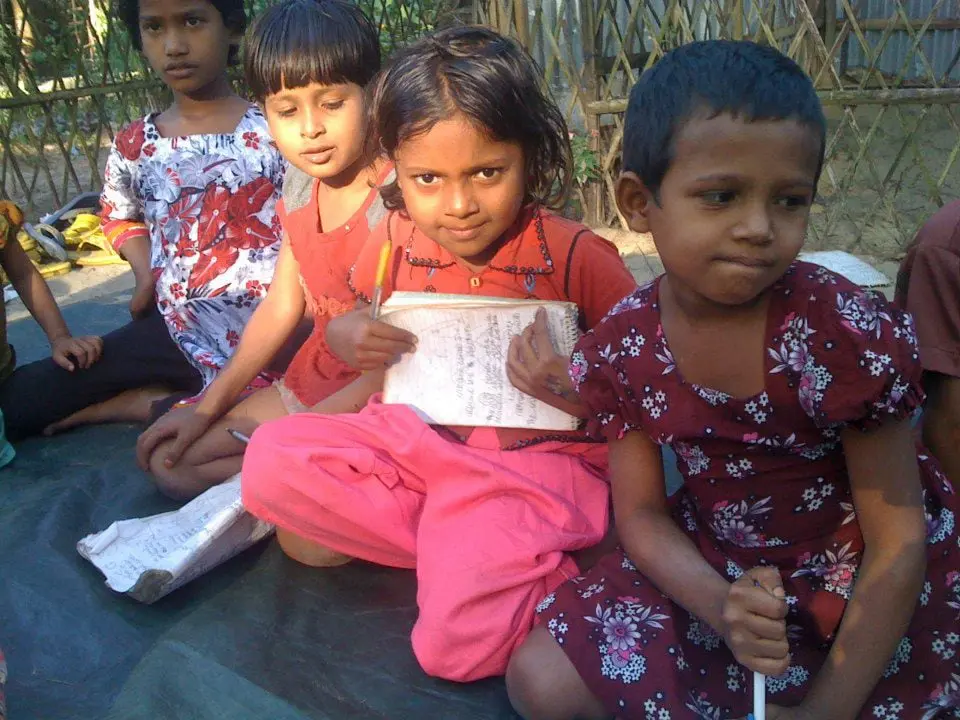
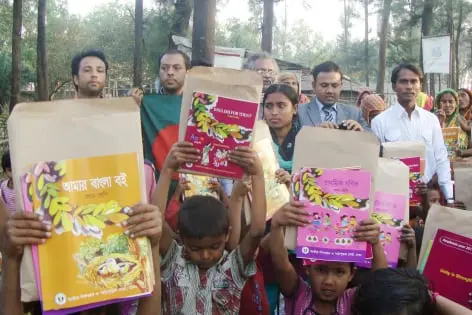
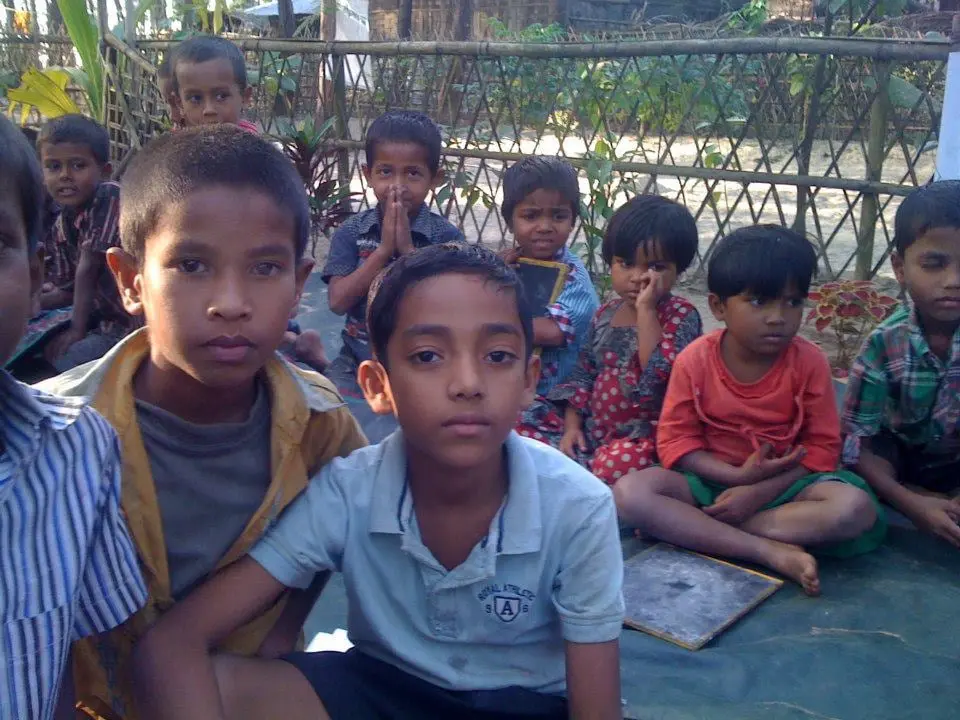
WEUS Children Free School activity
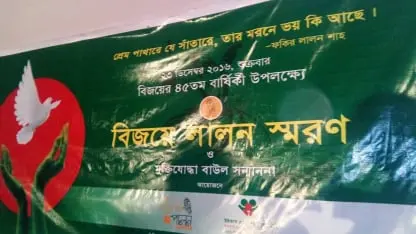
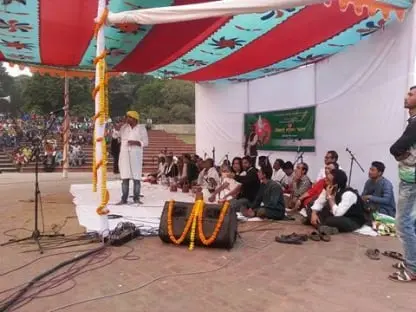
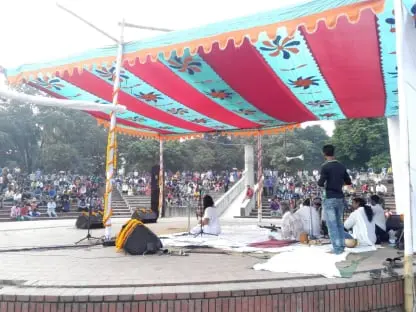
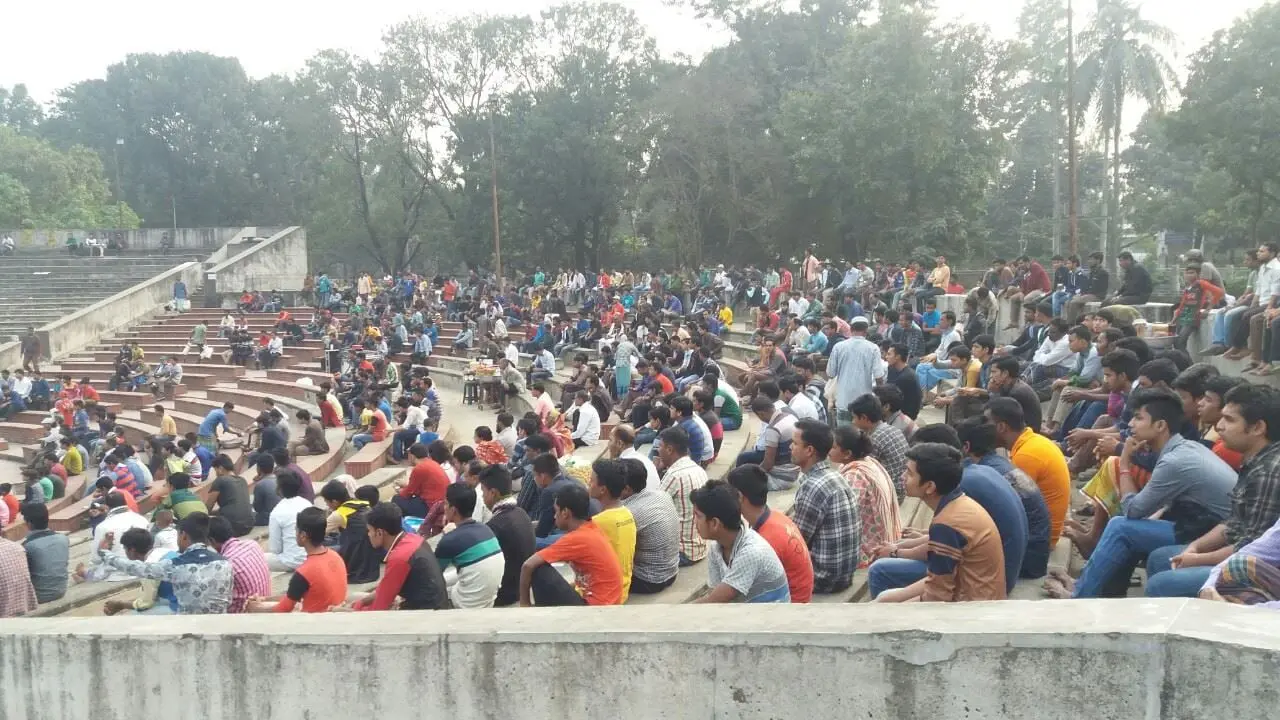
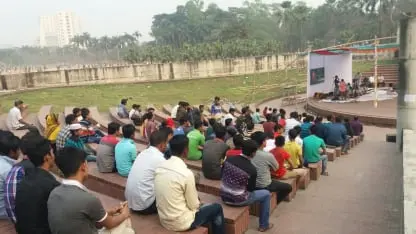
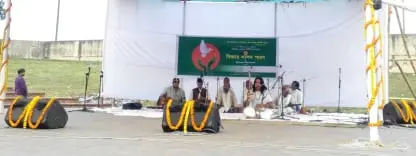
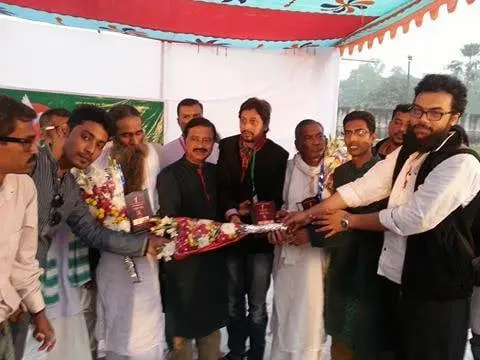
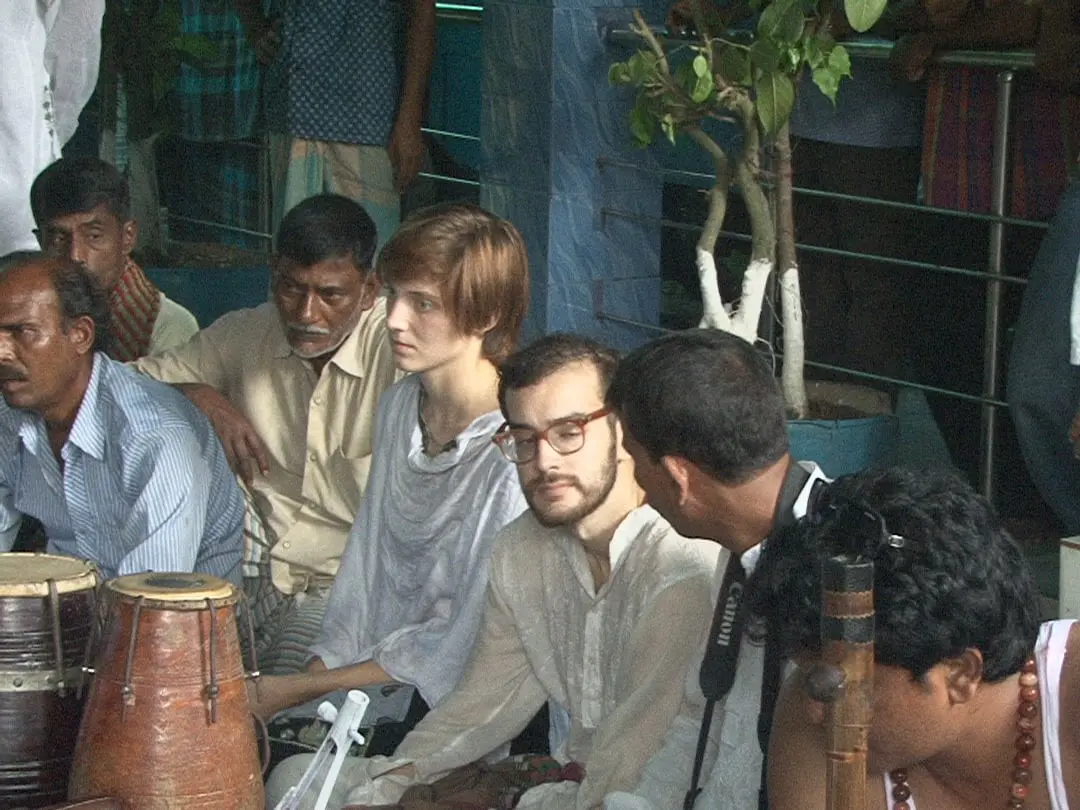
Rich Folk cultural heritage of our society
WEUS Associate Society strives to create an inclusive and culturally vibrant society where diversity is celebrated, cultural understanding is fostered, and the rich heritage of our society is preserved for future generations.
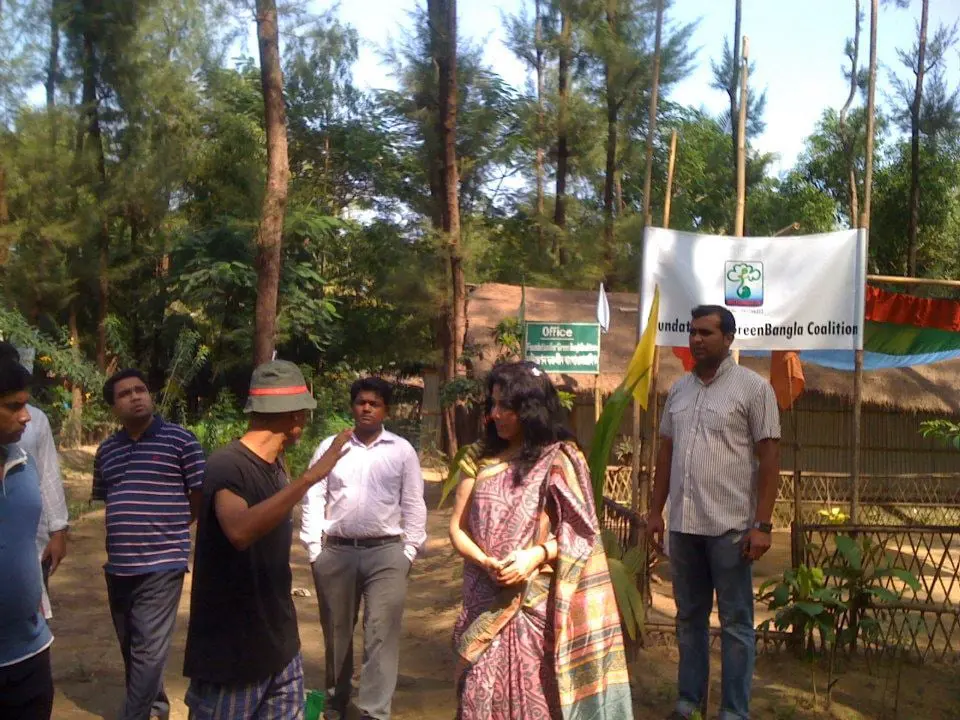
Meeting of Flood effected peoples
offered by our organization aim to address the needs of both urban and rural areas, focusing on various aspects of development and empowerment in the impacts of Climate Change. Climate Change & Adaptation Programs play a crucial role in building resilience and ensuring the long-term sustainability of communities facing the impacts of climate change. By integrating adaptation measures into development planning and promoting sustainable practices, these programs contribute to a more climate-resilient future.
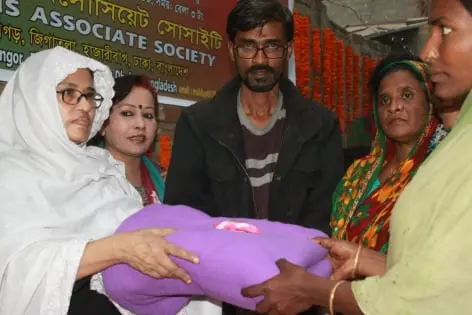
Climate Refugees & Family Aid Programs aim to provide assistance and support to individuals and families who have been displaced or are at risk of displacement due to the impacts of climate change. These programs recognize the urgent need to address the challenges faced by climate refugees and work towards creating a better future for them.
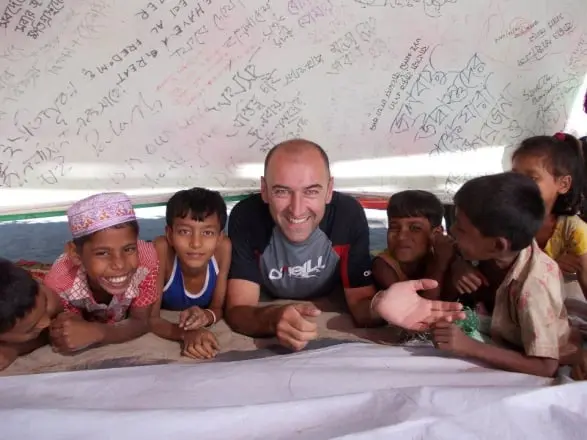
Camp activities with children
Our Activities
Now every initiative is voluntary and hence to declare all the initiatives as projects. Following
adaptation initiatives to combat climate change are taken yet by our volunteers...
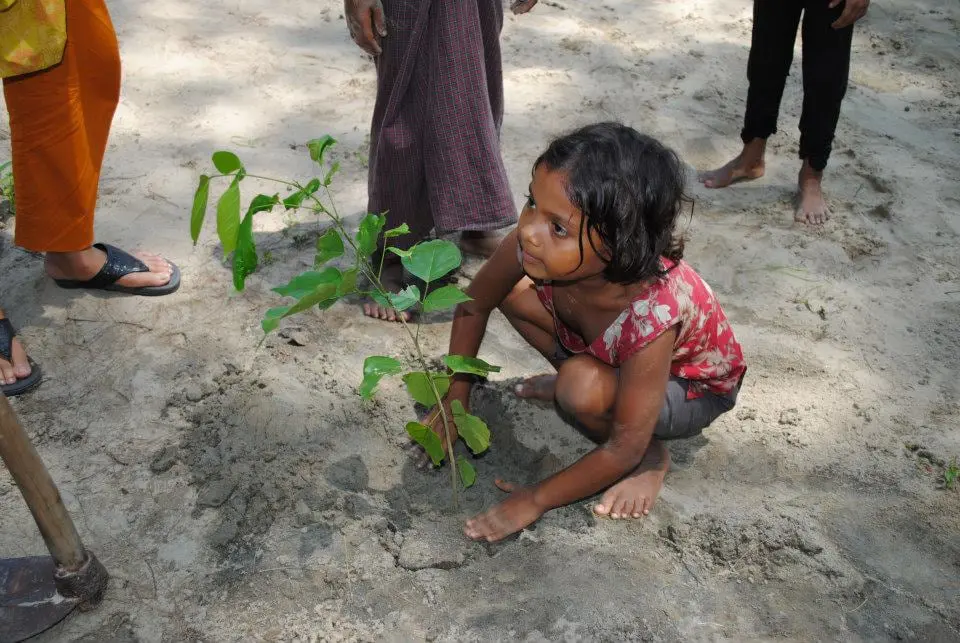
a) Jhau Forest Protection Initiative in the coast’s by the team “Green Guard”
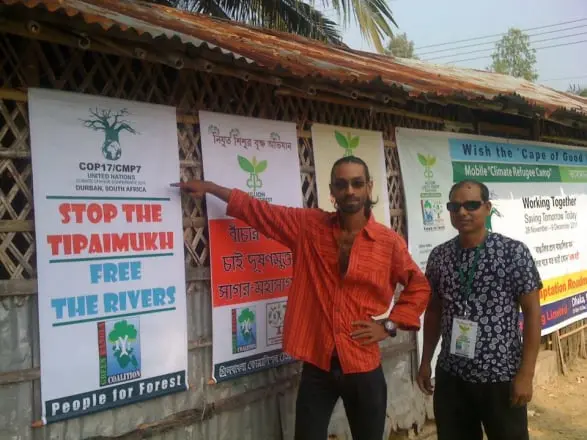
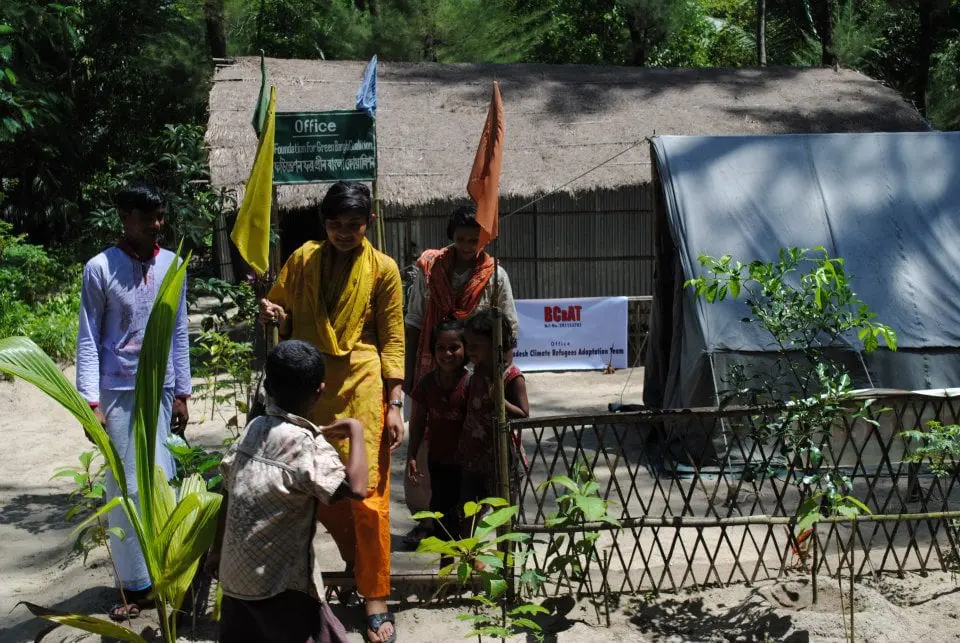
b) Adaptation Struggle (formation of Climate Refugees Adaptation Camp & Team)
c) Mangrove Forest Acceleration to sustain coast lines for Accretion of new lands
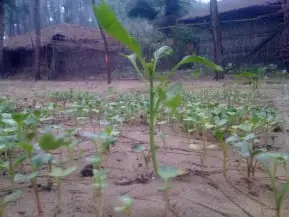
d) Gangalata (creeper plant) Regeneration to bind the sands to help the nature to extend the
Territorial Areas where required of Bangladesh gradually beyond the coastline.
e) Forestation in the illicitly felled forest Vacant Areas that are under the process of the Land
Grabbers to be encroached.
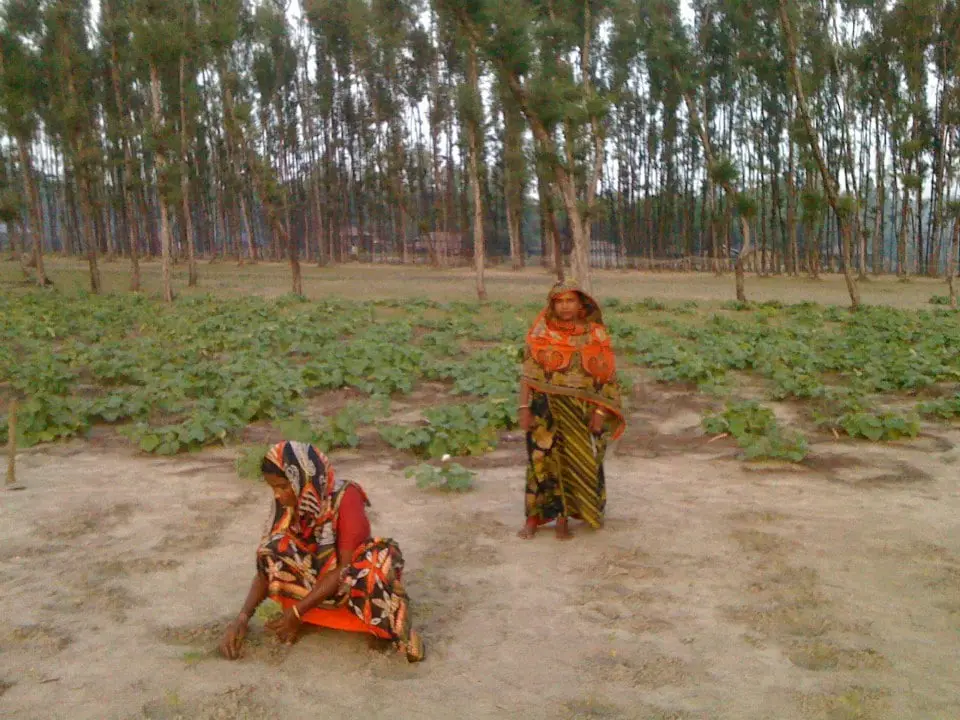
f) Adaptive Sustainable Agricultures’ in the coast line
g) Nursery Raising for Plantation and supply of seedlings to the government to its effort of
nature development
The Research Facility of Restoring Biodiversity in the Coast & Maritime Development in Bangladesh is a dedicated institution established by the WEUS Associate Society. Its primary objective is to restore and protect biodiversity in coastal areas while promoting sustainable maritime development. The facility conducts extensive research, conservation efforts, and community engagement activities to safeguard the natural ecosystems along the coast.
Research Facility of Restoring Biodiversity in the Coast & Maritime Development.
Risk Assessment:
Climate Change & Adaptation Programs begin with a comprehensive assessment of the risks and vulnerabilities associated with climate change in a specific region or community. This involves analyzing climate data, identifying potential impacts, and understanding the specific needs of the target population.Adaptation Planning:Based on the risk assessment, adaptation plans are developed to outline strategies and actions to address the identified vulnerabilities. These plans consider various sectors, such as agriculture, water resources, infrastructure, and health, and prioritize interventions accordingly.Implementation:Climate Change & Adaptation Programs involve the implementation of adaptation measures and projects. These may include infrastructure improvements, ecosystem restoration, capacity building, awareness campaigns, and policy development to support adaptive practices.Monitoring and Evaluation:To ensure the effectiveness of adaptation efforts, monitoring and evaluation systems are established. These systems track the progress of implemented projects, measure their impact, and provide feedback for continuous improvement.The facility also actively engages in conservation efforts to restore and preserve coastal biodiversity. It implements various measures such as habitat restoration, reforestation, and species reintroduction to enhance the ecological balance and protect endangered flora and fauna in the coastal areas of Bangladesh.
Community engagement plays a crucial role in the facility's work. It works closely with local communities, educating them about the importance of biodiversity conservation and involving them in conservation activities. By promoting awareness and understanding, the facility aims to foster a sense of responsibility and ownership among community members towards the protection of coastal ecosystems.
Web Design Program